
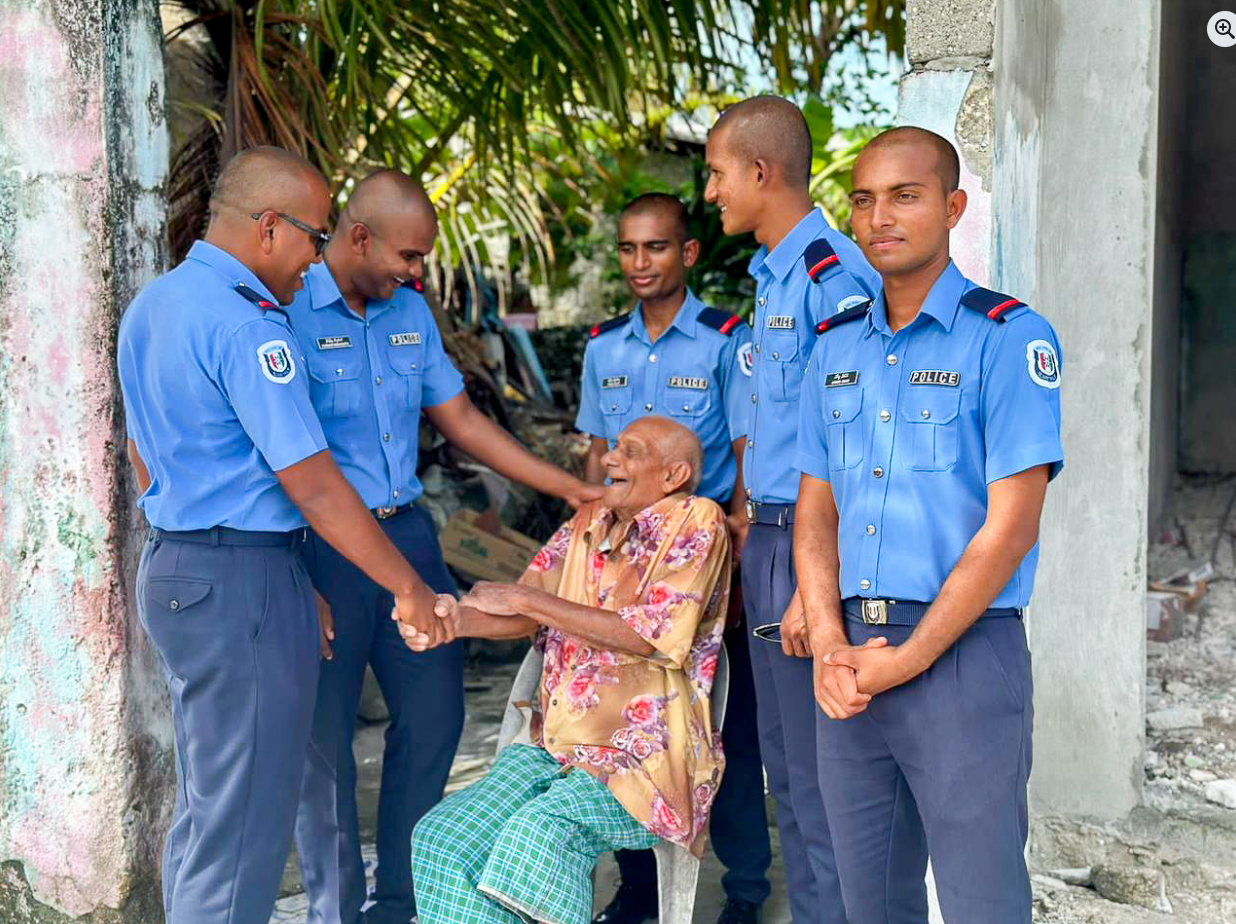
The Plight of the Aged: A Call for Action - Part 1
Written by: Director General Shimna Shakeeb / Published on: 10 July 2025 / 4 Min Read
Growing old: the ideal and the reality
The concept of old age is often romanticized as the "Golden years," evoking images of worry-free tranquility and stability, representing a remarkable chapter in the grand tapestry of life. However, except for a fortunate minority, the reality of old age deviates far from the idyllic notion of "golden." Instead, it frequently becomes a sorrowful and distressing phase, characterized by physical pain, deteriorating health, and financial struggles. Regrettably, some individuals find themselves ensnared in abusive circumstances that can crush their spirit. Those who manage to break free from such situations are confronted with the arduous task of embarking on a journey towards healing and
recovery. Often, they are devoid of essential resources, lacking legal support, and lacking a safe refuge away from their abuser. Many individuals simply succumb to their circumstances, resigned to await that final day when, at last, their story reaches its conclusion. This harrowing reality is the plight faced by a significant number of older persons living across the globe. This narrative of the forgotten people needs to be hard and it calls for action.
World Elder Abuse Awareness Day (WEAAD)
15th June is observed as the World Elder Abuse Awareness Day (WEAAD), which was launched by the International Network for the Prevention of Elder Abuse and the World Health Organization at the United Nations in 2006. The primary aim of this annual event is to provide an opportunity for communities around the world to unite and promote a better understanding of abuse and neglect of older persons by raising awareness of the cultural, social, economic and demographic processes affecting elder abuse and neglect.
Why is elder abuse an issue and how big an issue is it?
Elder abuse is a human rights violation that negatively affects the physical and mental wellbeing of the elderly. World Health Organization defines elderly abuse as a "a single or repeated act, or lack of appropriate action, occurring within any relationships where there is an expectation of trust, which causes harm or distress to an older person." Common types of elder abuse include physical abuse, sexual abuse, emotional or psychological abuse, neglect and financial abuse.
Elder abuse stands as a pervasive predicament encountered in both developed and developing nations. On a global scale, the incidence of mistreatment among individuals aged 60 and above in community settings stands at a concerning ratio of 1 in 6 each year, with rates even more alarming within institutional environ-
ments. However, it remains significantly underreported and continues to receive minimal attention on the global stage.
Currently, prevalence rates or estimates are only available for select developed countries, ranging from 1% to 10%. As numerous countries grapple with rapidly aging populations, the number of elder abuse cases is expected to rise. From 2019 to 2030, it is estimated that the global population of individuals aged 60 and above will experience a significant increase of 38%, reaching a remarkable 1.4 billion. This surge in the older population will surpass the number of younger individuals, highlighting a substantial demographic shift.
This notable growth, particularly pronounced in developing nations, necessitates increased focus on the distinct challenges faced by older individuals, specifically concerning their human rights. Despite the absence of precise data regarding the full extent of elder mistreatment, the undeniable societal and ethical implications it carries warrant a comprehensive global response that prioritizes the safeguarding of older individuals rights to live a life of dignity and freedom.
The state of elderly abuse in the Maldives presents a disconcerting reality, echoing the unfortunate global trend. Despite the nation's natural beauty and cultural richness, this serene paradise is not immune to the scourge of mistreatment afflicting its elderly population. As in many other societies, the elderly in the Maldives endure vulnerability and face various forms of abuse, including physical, emotional, financial, and neglectful treat-ment. Within the specific context of the Maldives, the plight of elder abuse tends to be veiled behind a complex web of societal norms, a lack of awareness, and insufficient resources devoted to confronting this distressing issue.
The prevailing economic dispari-ties, coupled with restricted access to healthcare and social services, also impose formidable obstacles upon the elderly population, especially in the islands. To compound matters, the insidious grip of ageism and the gradual erosion of traditional family support structures further accentuate their susceptibility to abuse, rendering them even more defenseless in the face of mistreatment.
On the occasion of the International Day of Elderly Persons in 2020, the Bureau of National Statistics revealed projections indicating a significant five-fold increase in the elderly population (aged 65 and older) in the Maldives by the year 2045 compared to 2014. The percentage of elderly individuals is expected to rise from four percent in 2014 to 14 percent by 2054, signifying a notable shift towards an ageing population in the Maldives. Given these demographic shifts in the Maldives, characterized by an impending increase in the elderly population, it becomes imperative to examine instances of elder abuse through a wider collective lens.
Director General Shimna Shakeeb